
ASSESS → DESIGN → SUPPLY → IMPLEMENT → TRAIN → AUDIT → IMPROVE
Engineered Safety


LATEST
from AURA SOLUTIONS
ESCAPE DEVICE
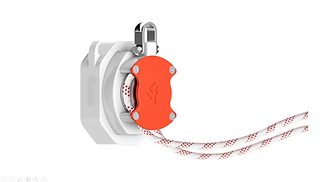
Critical life-safety tool designed to enable controlled descent from elevated structures when conventional escape routes (stairs, elevators) are unavailable. Here is a clear, practical explanation of how a height escape device can save you:
1. Enables Safe Evacuation When Normal Exits Fail
In emergencies such as fire, explosion, earthquake, or structural collapse, stairwells and elevators may become unusable. A height escape device provides an alternative vertical escape route, allowing occupants to descend safely from upper floors.
2. Controls Descent Speed to Prevent Injury
Unlike jumping or improvised methods, a certified height escape device uses:
-
Automatic braking systems
-
Friction or centrifugal control mechanisms
These ensure a steady, regulated descent speed, minimizing the risk of impact injuries, fractures, or spinal trauma.
3. Works Without External Power
Height escape devices are:
-
Mechanical or gravity-based
-
Fully functional even during power failures
This reliability is crucial during fires or blackouts, when electrical systems are compromised.
4. Reduces Panic and Decision-Making Errors
In high-stress situations, panic leads to poor decisions. A properly installed height escape device:
-
Provides a clear, pre-planned evacuation option
-
Allows users to escape one person at a time, safely and methodically
This structured escape reduces chaos and saves valuable time.
5. Usable by Non-Experts
Most modern height escape devices are designed for:
-
Minimal training
-
Simple harness or seat attachment
-
Automatic descent once engaged
This makes them suitable for offices, hotels, hospitals, industrial plants, and residential high-rises.
FIXED GAS DETECTOR

WE ARE AT SIL4, ATEX, CE, FCC PART 15
1. Higher Risk Reduction Safety Integrity Level (SIL) measures the risk reduction a safety instrumented system (SIS) can provide.
SIL3 systems offer higher risk reduction compared to SIL2 systems.SIL2 typically provides a Risk Reduction Factor (RRF) of 100 to 1,000.SIL3 provides an RRF of 1,000 to 10,000.
If the consequences of a gas leak are catastrophic (e.g., explosion, toxic exposure, or severe environmental impact), SIL3 detectors are better suited to minimize risks.
2. Compliance with Safety Standards Regulatory or industry standards in high-risk environments (like oil & gas, chemical plants, or power generation) may mandate SIL3-rated systems for critical applications.SIL3 compliance demonstrates a higher commitment to safety and ensures adherence to strict safety regulations like IEC 61508 and IEC 61511.
3. Lower Probability of Failure on Demand (PFD)SIL3 systems have a lower PFD, meaning they are less likely to fail when needed. This is crucial for ensuring safety in hazardous environments where undetected gas leaks can escalate quickly.
4. Enhanced ReliabilitySIL3 detectors undergo more rigorous design, testing, and validation processes. They often include: Redundant architecture (e.g., dual sensors or voting logic) to avoid single-point failures. Advanced diagnostics to detect faults early. This ensures continuous operation and higher system reliability.
5. Investment in Safety Although SIL3 detectors are more expensive to implement and maintain, they represent an investment in safety. The cost is often justified by: Preventing accidents and mitigating their consequences. Reducing potential downtime or shutdown costs due to safety incidents.
6. Future-Proofing A SIL3 detector may future-proof your safety system by meeting higher safety requirements as standards evolve or as your facility’s risk profile changes. When SIL2 May Be Sufficient While SIL3 offers higher safety,
SIL2 may be sufficient for: Applications where the risk is lower. Non-critical systems where failures have limited impact. Cost-sensitive projects where SIL2 satisfies regulatory requirements.